
Electricity Forum Electricity Today Magazine Arc Flash Training

UPS Systems


UPS Systems Training

Our 2-Day UPS Systems Training course teaches the proper and effective techniques for designing, operating, testing and maintaining UPS and emergency power systems. This two-day technical course begins with a discussion of the need for UPS systems. It then covers the relative comparisons between...

Generators


Power Protection Misconceptions

Controlling costs and increasing efficiency using UPS systems BY JOHN COLLINS, Eaton Corporation Controlling energy costs and increasing electrical efficiency are both common topics among today’s data center operators. However, making certain power is both dependable and clean can sadly often be...

Safety of Surge Protection Devices

How to prevent catastrophic failures BY DAVID KOMM, Mersen Electrical Protection A surge protective device (SPD) plays an important role in protecting critical electronic components. However, all SPDs are sacrificial devices and, depending on the design and construction of the device, when it...

Emergency Power for Data Centers

In our cloud-based digital world, data must be available 24 hours a day, seven days a week—no matter the state of the electrical grid. Computer downtime not only upsets production, but also negatively affects customer goodwill—quickly affecting an organization’s bottom line. In fact,...

Generators/UPS

Assessing the Limitations of Line-Interactive UPS

Assessing the Limitations of Line-Interactive UPS

Uninterruptible Power Supplies (UPS) are a crucial safeguard for ensuring the continuous operation of critical systems. Line-interactive UPS systems, a popular choice for small and medium-sized environments, offer a balance of affordability and protection. However, these systems face limitations when subjected to high power demands or frequent power fluctuations, potentially affecting their performance and reliability.

Visit Our UPS Systems Study Course


Understanding Line-Interactive UPS Systems

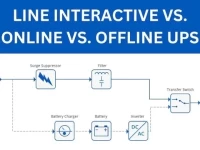
Line-interactive UPS systems derive their name from their interactive relationship with the input power line. They feature a voltage regulation transformer that can boost or reduce voltage to compensate for under and over-voltages. During normal operation, line-interactive units draw power to both supply connected equipment and charge the backup battery. In the event of a power failure, an inverter quickly switches to battery power, providing a short transfer time to keep devices running.

Limitations in High-Demand Environments

While line-interactive UPS systems provide adequate protection for many scenarios, they may face limitations in environments with high power demands or frequent power fluctuations. Let's explore some potential challenges:

1. Battery Capacity and Runtime

High-demand scenarios often require UPS systems with larger battery capacities to sustain critical equipment during extended outages....

Generators/UPS Articles